
"best Bolivian beans"
300 article(s) found

Introduction to the planting environment of Bolivian coffee manor with rich and unique aroma
Wash Bolivia by hand with a cup of water, it is recommended to wash Bolivia with 15g powder at 87 degrees water temperature, water powder ratio at 1:15, moderate grinding (small Fuji ghost tooth knife 3.54grind), V60 filter cup, the first injection of 30g water for 25s, injection to 110g water cut off, wait for the powder bed water to half of the water and then water injection, slow water injection until 230g water, the tail section does not want, the extraction time is 2Jiang 00s. Flavor: roasted nuts and roasted nuts

Introduction to Xuemai Manor, Flavor Manor in Bolivian Coffee producing area
Rich in mineral resources, mainly tin, antimony, tungsten, silver, zinc, lead, copper, nickel, iron, gold and so on. Mineral deposits are rich, with tin reserves of 1.15 million tons, ranking second in the world; iron reserves of 45 billion tons, second only to Brazil in Latin America; and lithium reserves of 100 million tons, ranking first in the world. [7] Oil and gas Bolivia is rich in oil and gas resources. Proven oil reserves are 929 million barrels, as of 2013

Bolivian Coffee Flavor description of Advanced taste introduction of high-quality coffee varieties in producing areas
The advantage of Bolivian coffee lies in its high altitude and excellent varieties of coffee, where the traditional Tibica and a small amount of Kaddura are highly valued in the world market. In the past, coffee trees in Bolivia used to act as hedges and ornaments around the garden. Real commercial production began in the early 1950s. The great frost in 1957 seriously damaged Pakistan.

Flavor Description of Bolivian Coffee Taste Variety Production Area Treatment Manor Introduction
Bolivian coffee has the advantage of high altitude and excellent coffee varieties, where traditional iron pica and a small amount of kadura are highly valued on the world market. Coffee trees used to be planted around gardens as hedges and ornamental plants in Bolivia. Real commercial production from 20

Coffee producing area Coffee introduction Bolivian Coffee
In the past, coffee trees in Bolivia used to act as hedges and ornaments around the garden. Real commercial production began in the early 1950s. The great frost of 1957 seriously damaged Brazil's coffee industry, while Bolivia (Bolivia) benefited from it and developed rapidly. Bolivian coffee is grown at an altitude of 180,670 meters above sea level, including Allah.

Basic knowledge of Bolivian boutique coffee
In the past, coffee trees in Bolivia used to act as hedges and ornaments around the garden. Real commercial production began in the early 1950s. The coffee industry in Brazil was badly damaged by the great frost in 1957, while Bolivia (Bolivia) benefited and developed rapidly. Bolivian coffee is grown at an altitude of 180,670 meters above sea level, including Allah.

Bolivian coffee trees are often planted around gardens as hedges
Coffee trees used to be planted around gardens as hedges and ornamental plants in Bolivia. Real commercial production began in the early 1950s. Brazil's coffee industry was badly damaged by the 1957 frost, but Bolivia benefited from it and thrived. Bolivian coffee is grown at an altitude of 180 to 670 meters, of which Arabian coffee is grown at an altitude of 180 to 670 meters.
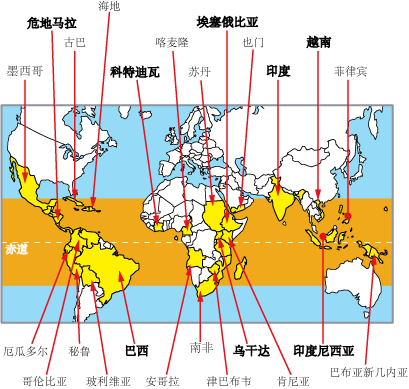
Coffee producing area 53 coffee producing areas worldwide Bolivian coffee producing area Bolivia coffee
Bolivia from serving as a garden hedge to coffee grown exclusively on a manor. In the past, Bolivian coffee trees used to act as hedges around the garden, decorating flowers and trees. Real commercial production began in the early 1950s. The coffee industry in Brazil was badly damaged by the great frost in 1957, while Bolivia (Bolivia) benefited and developed rapidly. Glass

Bolivian boutique coffee
Bolivia in the past coffee trees in Bolivia used to act as hedges and ornaments around the garden. Real commercial production began in the early 1950s. The coffee industry in Brazil was badly damaged by the great frost in 1957, while Bolivia (Bolivia) benefited and developed rapidly. Bolivian coffee is grown at an altitude of 180,670 meters above sea level.

Bolivian coffee boutique coffee black coffee
Coffee trees that go to Bolivia are often planted around the garden as hedges, decorating flowers and trees. Real commercial production began in the early 1950s. The coffee industry in Brazil was badly damaged by the great frost in 1957, while Bolivia (Bolivia) benefited and developed rapidly. Bolivian coffee is grown at an altitude of 180,670 meters above sea level.

Medium roasted Bolivian coffee flavor manor introduce snow vein manor
Lake Titicaca, located on the Coaya Plateau on the border between Bolivia and Peru, is the highest and largest freshwater lake in South America, one of the highest large freshwater lakes in the world, the highest navigable lake in the world, and the third largest lake in South America (after Maracaibo and Patus lagoons) Lake Titicaca Copacabana countries.

The taste of Bolivian coffee with a bitter taste an introduction to the characteristics of fine coffee in the manor area.
In 1863, rich saltpetre deposits were discovered in Atacama province along the Pacific coast. In 1879, Chile sent troops to occupy the mining area, and Bolivia joined forces with Peru to wage the Pacific War with Chile. Bolivia was defeated in 1883 and ceded the saltpeter-rich Pacific coast to Chile in 1904. Bolivia lost its only coastal province, including the important port of Antofagasta, from

Flavor description of Bolivian Coffee production area
The coffee producing area Yungas Yungas, located in the Andean hills just east of La Paz, is a rugged agricultural area. The road to Yangas is rugged and dangerous, making it difficult to transport coffee. But despite the above disadvantages, the coffee in this area is very unique because of its unique microclimate and incredible altitude. The highest altitude in the world

Bolivian snow vein manor coffee grinding treatment variety price production area taste introduction
Lake Titicaca Copacabana Country: Bolivia Altitude: 3812m Origin: Lake Titicaca Roast: Medium Roast Treatment: Washed Variety: Iron PickerProducer: Copacabana Smallholder Flavor: Roasted Nuts with Dry Aroma of Almonds, Orange, White Pomelo Lake Titicaca is located on the Coyao Plateau at the border between Bolivia and Peru.

What coffee beans are suitable for beginners? Bolivian coffee beans have a long finish.
Professional coffee knowledge exchange more coffee bean information please follow the coffee workshop (Wechat official account cafe_style) front street-Bolivian coffee introduction menu coffee names are mostly named after the place of origin, this kind of coffee is also known as plain coffee or single coffee. If you can distinguish these coffees according to their origin and taste, it will be helpful to choose the coffee party that suits your own taste.

Introduction to the production area of Bolivian Coffee with rich and unique aroma
Wash Bolivia by hand with a cup of water, it is recommended to use 15 grams of powder at 87 degrees water temperature, ratio of water to powder at 1:15, moderate grinding (small Fuji ghost tooth knife 3.5-4 grinding), V60 filter cup, the first injection of 30g water for 25s steaming, injection to 110g water cut off, waiting for powder bed water to half of the water and then water injection, slow water injection until 230g water, not at the end, extraction time 2fun 00s flavor: roasted nuts and apricot.

Introduction to boutique coffee with obvious rich flavor and taste characteristics of Bolivian coffee manor
In 1863, rich saltpetre deposits were discovered in Atacama province along the Pacific coast. In 1879, Chile sent troops to occupy the mining area, and Bolivia joined forces with Peru to wage the Pacific War with Chile. Bolivia was defeated in 1883 and ceded the saltpeter-rich Pacific coast to Chile in 1904. Bolivia lost its only coastal province, including the important port of Antofagasta, from

Introduction to the method of describing the Flavor of Bolivian Snow vein Manor Coffee with Citrus Fruit
In the past, most of the coffee in Bolivia was of mediocre quality, but in recent years, the production of boutique coffee has developed rapidly, and there have been a lot of pretty good beans. In recent years, the COE (Cup of excellence) system, which was first implemented in Brazil, has become more and more popular. Bolivia has also introduced this system, which can stimulate the enthusiasm of coffee farmers on the one hand and improve it on the other.

Introduction to the Fine Coffee Bean Manor with the characteristics of Bolivia Coffee Variety producing area
In the past, coffee trees in Bolivia used to act as hedges and ornaments around the garden. Real commercial production began in the early 1950s. The coffee industry in Brazil was seriously damaged by the great frost in 1975, while Bolivia (Bolivia) benefited from it and developed rapidly. The origin of Bolivian coffee: Bolivian coffee at an altitude of 180 Muhami 670 meters.
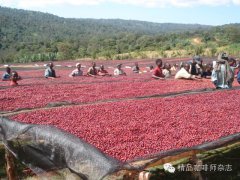
Bolivian coffee grows American coffee beans
Boutique coffee (specialty coffee) is also called specialty coffee selection coffee. It refers to coffee made from a small number of raw beans with excellent taste grown in an ideal geographical environment. Depending on the special soil and climatic conditions in which they grow, they have outstanding flavor. After strict selection and classification, this kind of coffee is hard in texture, rich in taste and stylish.